
Sales and Rentals
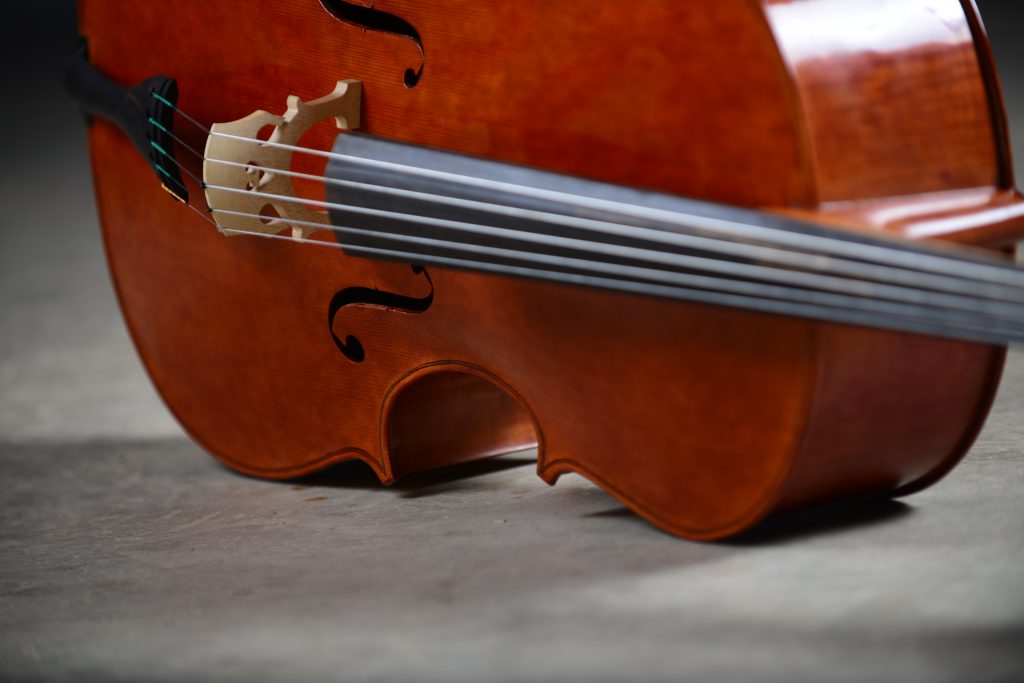
Looking to buy or rent an instrument? Contact me to see what I have in stock, or I can also order something specific!
Instrument Sizing
Here is my basic guide to sizing instruments! This is only intended as a starting place- body proportions and hand size/finger spacing make a huge difference! If you’re on the fence between two sizes, your instinct might be to get one “to grow into” like clothing, but with instruments we prefer the opposite! A smaller instrument will be more comfortable, and avoid injury with excessive stretching. A great benefit of my rent-to-own program is that you can change sizes as needed!
Violin
Measure from the neck to the middle of the palm
| Size of violin | Arm measurements | Age of student |
| 1/16 | 14″ – 15.4″ | 3 – 4 YRS |
| 1/10 | 15.5″ – 17″ | 4 – 5 YRS |
| 1/8 | 17.1″ – 17.5″ | 5 – 6 YRS |
| 1/4 | 17.6″ – 20″ | 6 – 7 YRS |
| 1/2 | 20.1″ – 22″ | 7 – 8 YRS |
| 3/4 | 22.1″ – 23.5″ | 9 – 11 YRS |
| 4/4 | 23.6″+ | 11 – Adult |
Viola
Measure from the neck to the middle of the palm
| Size of Viola | Arm Measurement | Age of student |
| 12″ | 20.5″ – 21.9” | 7-9 YRS |
| 13″ | 22” – 23.4” | 9-11 YRS |
| 14″ | 23.5” – 24.9” | 11-14 YRS |
| 15″ | 25″ -25.9” | 14+ YRS |
| 15.5″ | 26″ – 26.4” | 14+ YRS |
| 16″ | 26.5″ – 26.9” | Adult |
| 16.5″ | 27” – 27.4″ | Adult |
| 17″+ | 27.5″+ | Larger Adult |
Cello
Measure height while standing. 7/8 is quite popular with petite adults, but usually come in advanced or professional level instruments only.
| Size of cello | Height | Age of Student |
| 1/10 | Less than 3′ | 3 – 4 YRS |
| 1/8 | 3′ – 3.5′ | 4 – 6 YRS |
| 1/4 | 3.5′ – 4′ | 6 – 8 YRS |
| 1/2 | 4′ – 4.5′ | 8 – 10 YRS |
| 3/4 | 4.5′ – 5′ | 10 – 12 YRS |
| 7/8 | 5′ – 5.5′ | Smaller Adult |
| 4/4 | 5.5’+ | 12 – Adult |
Bass
Measure height while standing. Note that 3/4 is the standard size, 7/8 and 4/4 basses are rare!
| Size of Bass | Height | Age of Student |
| 1/16 | Less than 3′ | 3 – 4 YRS |
| 1/10 | 3′ – 3.5′ | 4 – 5 YRS |
| 1/8 | 3.5′ – 4′ | 5 – 7 YRS |
| 1/4 | 4′-4.5′ | 7 – 9 YRS |
| 1/2 | 4.5′-5′ | 9 – 13 YRS |
| 3/4 | 5’+ | 13 – Adult |
| 7/8 or 4/4 | 5’9″+ | Larger Adult |
Custom Instruments
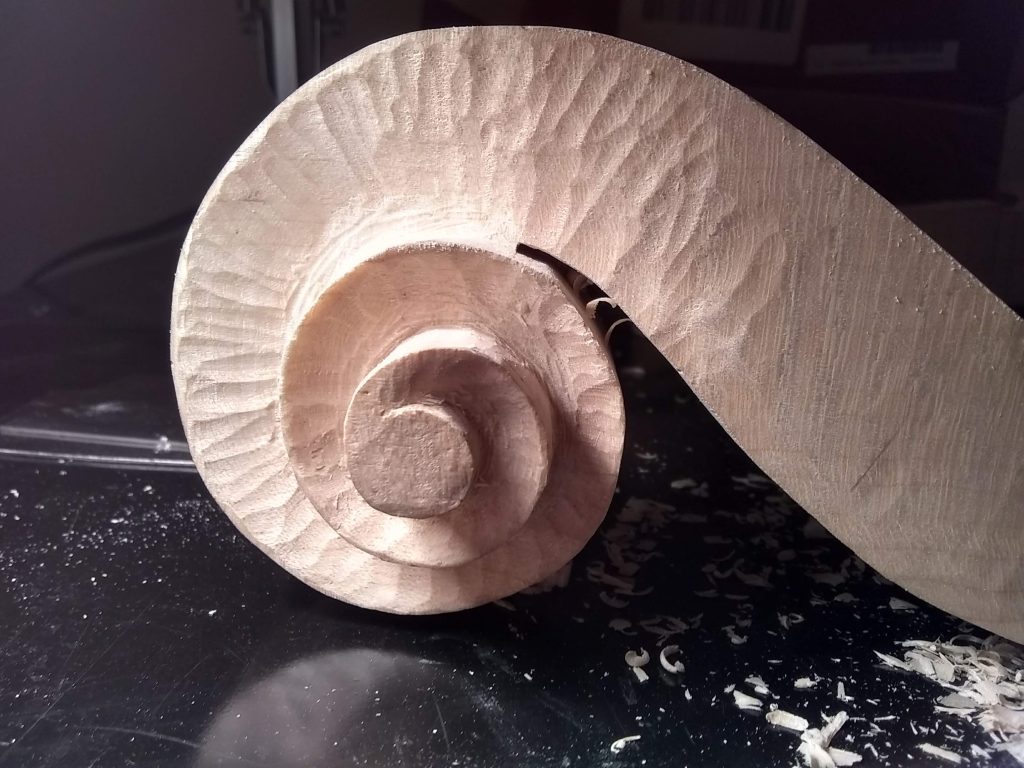
I accept instrument commissions! Let me know if there is something you’re looking for, and we can create the perfect instrument for you! A deposit is required to hold your spot on the list. Contact me to discuss details!
Should I Rent or Buy?
Rent
Pros:
- Pay gradually over time
- Try out a new hobby without a big commitment
- Ability to change sizes or upgrade instruments with a rent-to-own program
- Repairs are covered by maintenance program
Cons:
- Pay more over time than buying an instrument outright
Best for:
- New players exploring a new hobby
- Children who are growing and improving who might need a size/quality upgrade in the future
Buy
Pros:
- Cost-effective
- Freedom in upgrading or customizing instrument for optimal comfort and sound
- Yours to keep or sell
Cons:
- Pay whole cost up front
- You are responsible for all repairs
Best for:
- Anyone committed to playing a specific instrument long-term
- Intermediate or advanced players who know what features they like in an instrument
- People wanting to invest in deluxe upgrades like pegs, tailpieces, endpins, etc.
What Should I Look for in an Instrument?
Is It New or Used?
Both new and used instruments can be good or bad! New instruments can be unblemished and shiny, but in the end sound and comfort are more important! New instruments are less likely to have damage. A quality used instrument has aged wood that sounds better over time! In either case, you may want to inspect an instrument and look for unrepaired cracks or setup issues that can cost you more money in the long run. Make sure you can inspect the instrument before purchasing!
What is the quality of the instrument?
A well-built instrument is built with properly dried wood (typically spruce and maple), and builders have taken time to make sure parts fit well and will sound great. Even the varnish is a key part of an instrument’s sound! Cheaply made instruments may be prone to cracking if the wood was not dried before building. They may use cheap wood or save money by using plywood- great for sturdiness and bad for sound. They often have a thick layer of finish (not varnish) that mutes the sound. If they did not take the time to make sure parts fit well and that it’s ready to play, you could be spending more on repairs and setup costs! In the music business we call these “VSOs,” short for “violin-shaped objects.”
For an entertaining and informative look at some of these Amazon purchases, check out some of my favorite YouTubers reviewing these instruments and analyzing the repairs needed to get a cheap instrument in playing condition!
We Try The Cheapest Violins from Amazon by TwoSetViolin
I Bought a $100 Violin and I open up the $100 Violin by Ask Olaf the Violinmaker
Will it need repair? What is the quality of the setup?
If you found a great deal, keep in mind it may need repairs or a good setup! Players can get frustrated by poorly set up instruments. A well-set up instrument is comfortable to play with strings that are not too high, and easy to tune with tuners that turn well and pegs that don’t slip! Too often you’ll find these issues and more in shops that specialize in band instruments, guitars, or general music stores, because they don’t have an orchestral string specialist. Ideally, you want someone who is experienced with repairing and playing bowed string instruments who knows exactly what they should feel and sound like.
What Should I Look For in an Instrument Rental?
Is it a rental, or rent-to-own?
Some shops simply rent for a monthly charge, but others allow you to use your payments to purchase the instrument later. You also should check how much of your payments are applied to the purchase price, or if there is a limit. (Alma Strings allows the full amount of your payments to be applied to the purchase of the instrument)
What happens if I need to change instrument sizes?
Most rental programs will allow you to change sizes- it’s the real advantage to renting for a growing child. (Alma Strings allows you to change instrument sizes)
Can I step up to an intermediate or advanced instrument?
Some rental programs will allow you to change instrument quality. Some offer beginning instruments only, or will not allow changing. (Alma Strings allows you to change instrument quality)
Who is responsible for repairs?
This is one area that varies widely. Many shops offer a maintenance plan, and you should check if regular maintenance and/or accidental damage are covered under the plan. In some shops, it is an optional add-on, and it is required in others. In nearly all rental programs, this cost is not counted towards purchase, and vandalism/neglect is not covered. (Alma Strings requires the maintenance plan, and will cover maintenance and accidental damage)
Is there a contract? What happens if you want to end the contract early?
Some shops simply offer month-to-month renting, but others have a long-term contract for a year. Keep an eye out for early termination fees! Some will allow you to return the instrument early, perhaps refunding excess payments (minus repair costs). Some also allow you to buy out the remainder of the contract if you want to keep the instrument! (Alma Strings offers several rent-to-own plans, and allows you to return your instrument early and will refund excess payments. You can also buy out the remaining balance at a 20% discount if you want to keep your instrument!)